Choosing the Right Air-Conditioning System
- 09redcharger
- Apr 11
- 4 min read
When the summer heat hits, having a reliable air-conditioning system is essential for comfort and well-being. However, with so many options available, choosing the right air-conditioning system can feel overwhelming. This guide will help you navigate through the various types of air-conditioning systems, their benefits, and how to select the best one for your needs.
Understanding Different Types of Air-Conditioning Systems
Before diving into the selection process, it’s important to understand the different types of air-conditioning systems available. Each type has its own advantages and is suited for different situations.
Central Air Conditioning
Central air conditioning systems are designed to cool an entire home or building. They use a network of ducts to distribute cool air from a central unit.
Benefits:
Even Cooling: Provides consistent temperature throughout the space.
Energy Efficient: Can be more energy-efficient than multiple window units.
Quiet Operation: Operates quietly compared to other systems.
Considerations:
Requires ductwork, which can be costly to install in existing homes.
Higher upfront costs compared to other systems.
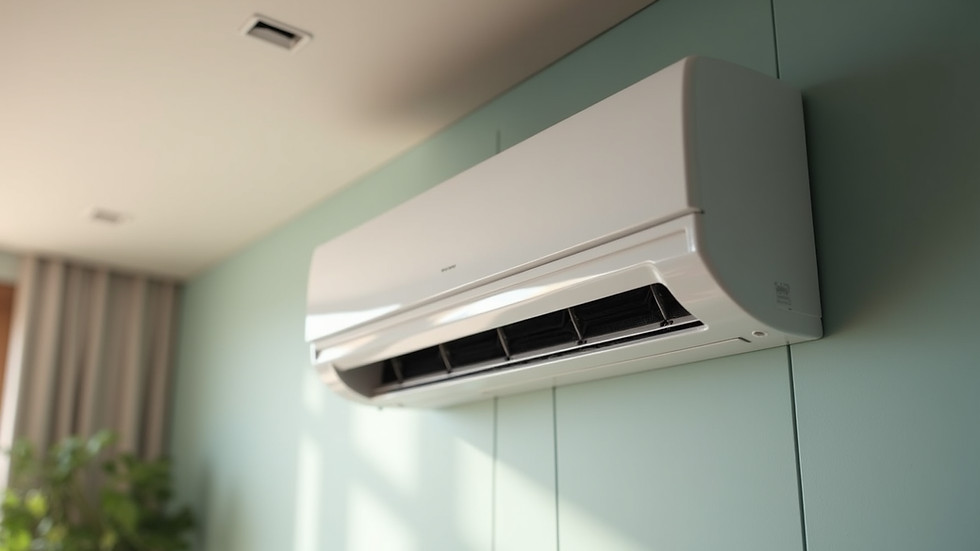
Ductless Mini-Split Systems
Ductless mini-split systems consist of an outdoor compressor and one or more indoor air-handling units. They are ideal for homes without ductwork.
Benefits:
Flexible Installation: Can be installed in various locations without ductwork.
Energy Efficient: Each indoor unit can be controlled separately, allowing for energy savings.
Quiet Operation: Operates quietly, making it suitable for bedrooms and living areas.
Considerations:
Higher initial cost than window units.
Requires professional installation.
Window Air Conditioners
Window air conditioners are self-contained units that fit into a window frame. They are a popular choice for cooling single rooms.
Benefits:
Affordable: Generally less expensive than central or ductless systems.
Easy Installation: Can be installed by homeowners without professional help.
Portable: Can be removed and relocated easily.
Considerations:
Limited to cooling one room at a time.
Can obstruct the view from the window.
Portable Air Conditioners
Portable air conditioners are standalone units that can be moved from room to room. They typically vent hot air through a window.
Benefits:
Mobility: Can be easily moved to different rooms as needed.
No Permanent Installation: Does not require any permanent installation.
Affordable: Generally less expensive than central systems.
Considerations:
Less efficient than other types of air conditioning.
Requires a window for venting hot air.
Factors to Consider When Choosing an Air-Conditioning System
Selecting the right air-conditioning system involves considering several factors that can impact your comfort and budget.
Size of the Space
The size of the area you need to cool is one of the most important factors. An air-conditioning unit that is too small will struggle to cool the space, while one that is too large will cycle on and off frequently, leading to inefficient operation.
Calculate BTUs: The cooling capacity of air conditioners is measured in British Thermal Units (BTUs). A general rule of thumb is to have about 20 BTUs for each square foot of living space.
Consider Ceiling Height: If your ceilings are higher than average, you may need a unit with a higher BTU rating.
Energy Efficiency
Energy efficiency is crucial for keeping your energy bills manageable. Look for units with a high Seasonal Energy Efficiency Ratio (SEER) rating.
SEER Ratings: Higher SEER ratings indicate better energy efficiency. Aim for a unit with a SEER rating of at least 14.
Energy Star Certification: Look for units that are Energy Star certified, as they meet strict energy efficiency guidelines.
Installation and Maintenance
Consider the installation requirements and ongoing maintenance of the air-conditioning system.
Professional Installation: Some systems, like central and ductless units, require professional installation, which can add to the overall cost.
Maintenance Needs: Regular maintenance is essential for keeping your system running efficiently. Some systems require more upkeep than others.
Budget
Your budget will play a significant role in your decision-making process. Consider both the initial cost and the long-term operating costs.
Upfront Costs: Central air systems typically have the highest upfront costs, while window units are the most affordable.
Operating Costs: Factor in energy efficiency and maintenance costs when evaluating long-term expenses.
Making the Final Decision
Once you’ve considered the various types of air-conditioning systems and the factors that influence your choice, it’s time to make a decision. Here are some steps to help you finalize your choice:
Research and Compare
Take the time to research different brands and models. Read reviews and compare features to find the best fit for your needs.
Consult with Professionals
If you’re unsure about which system is right for you, consider consulting with HVAC professionals. They can provide valuable insights based on your specific situation.
Test Before You Buy
If possible, test the air-conditioning unit before making a purchase. This will give you a better idea of its performance and noise levels.
Conclusion
Choosing the right air-conditioning system is crucial for maintaining comfort during the hot summer months. By understanding the different types of systems available, considering key factors like space size, energy efficiency, and budget, you can make an informed decision that meets your needs. Remember, investing in a quality air-conditioning system not only enhances your comfort but can also lead to long-term savings on energy bills. Take the time to research and consult with professionals to ensure you select the best option for your home.


Comments